Upcoming launch — Chat with us on WhatsApp
Hoi An, Vietnam · the hands behind the cloth

Our Ateliers

Every MAY suit is cut and sewn by a partner workshop in Vietnam. Here is who they are, what we ask of them, and how we work together.

Where it is made

A town that has been cutting cloth for centuries


Hoi An has more tailors per street than most European capitals have in a district.

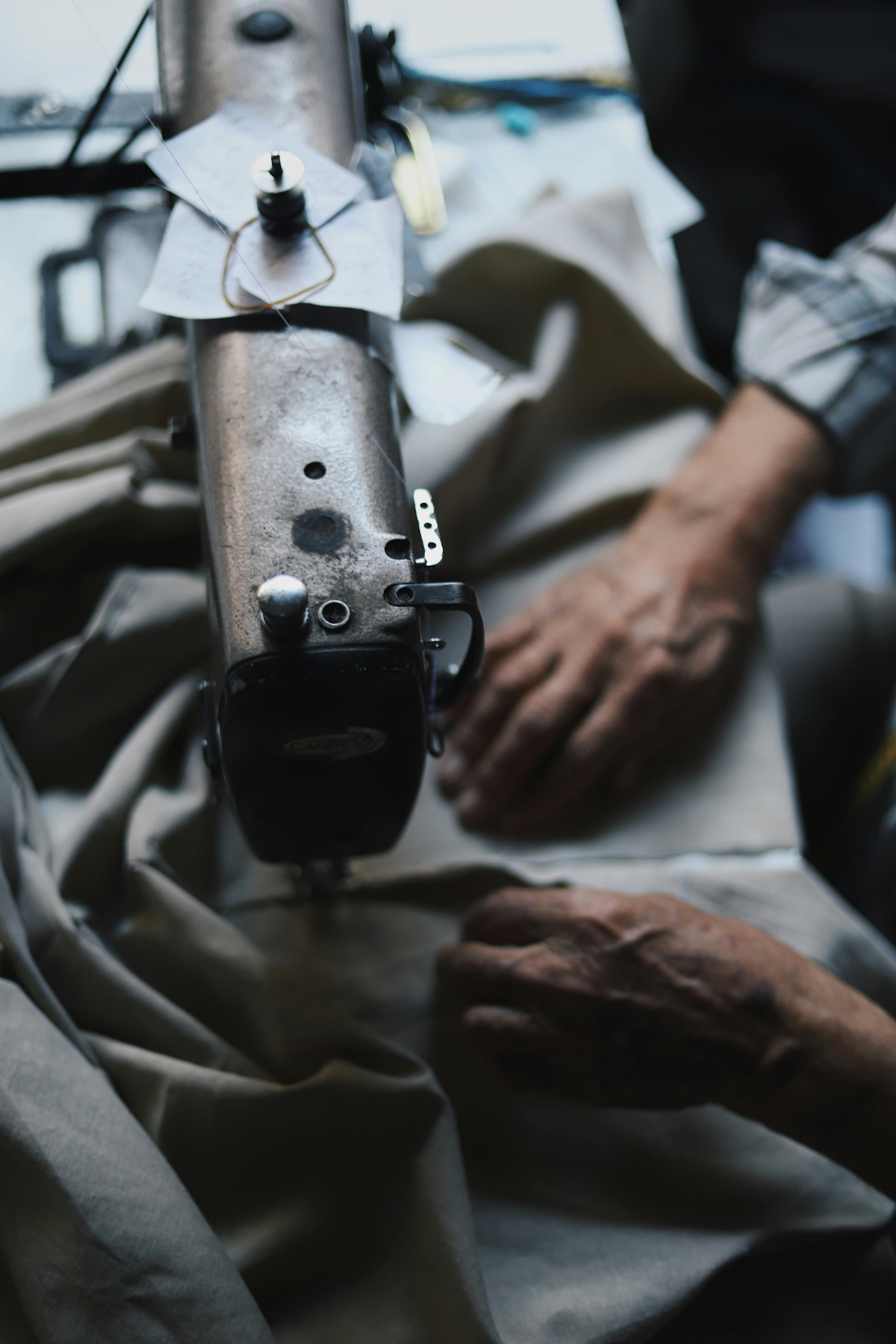
The town was a trading port long before it was a tailoring town — silk, cotton and wool moved through it for centuries. The workshops that remain today inherited both the materials and the habits: patterns drafted by hand, canvassed fronts, finishing done at a bench rather than on a line.

What those ateliers rarely have is visibility. Their order flow rises and falls with tourism, which means their year is decided by something entirely outside their control. A steady stream of online orders is what changes that — and it is the part of the equation MAY takes on.

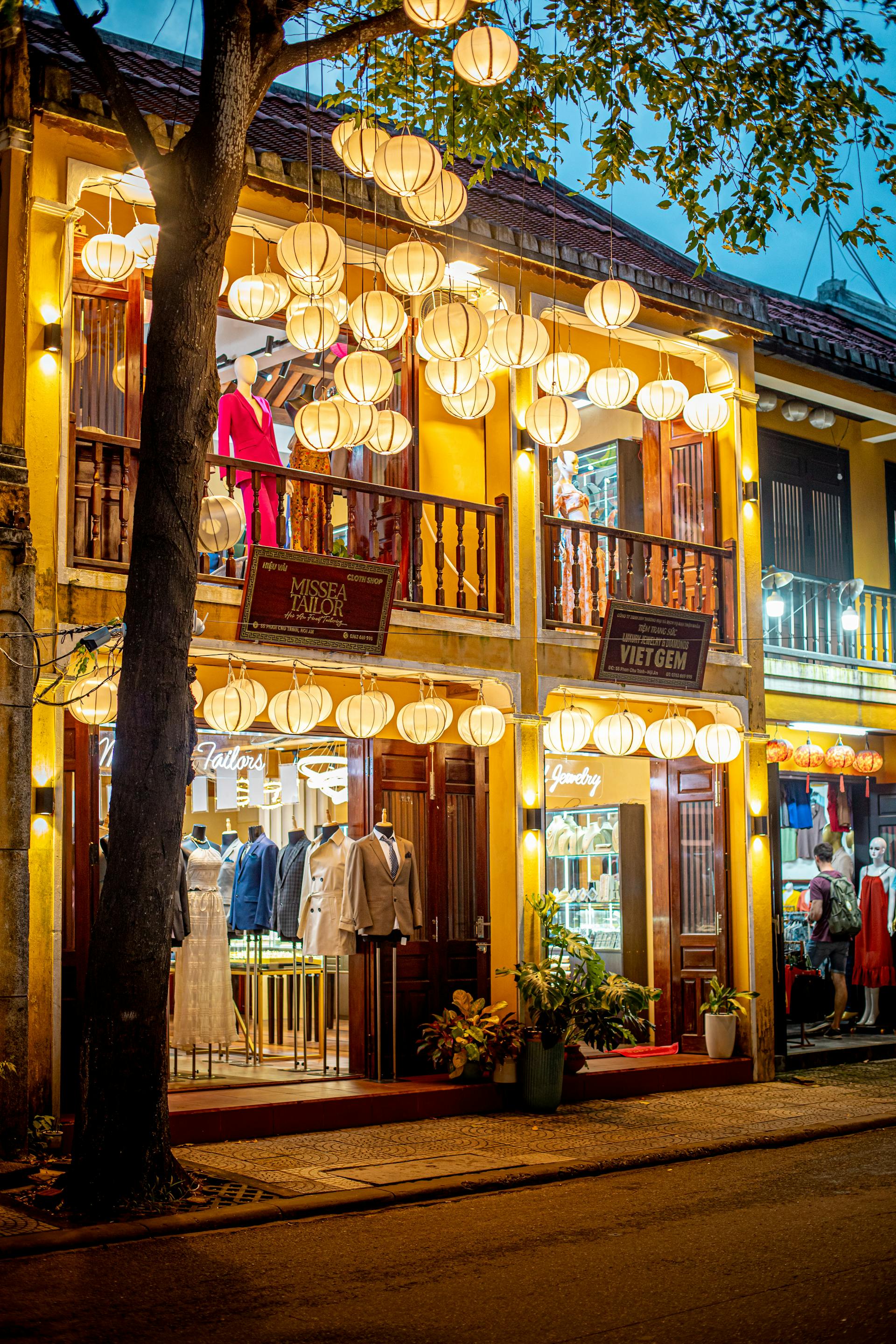
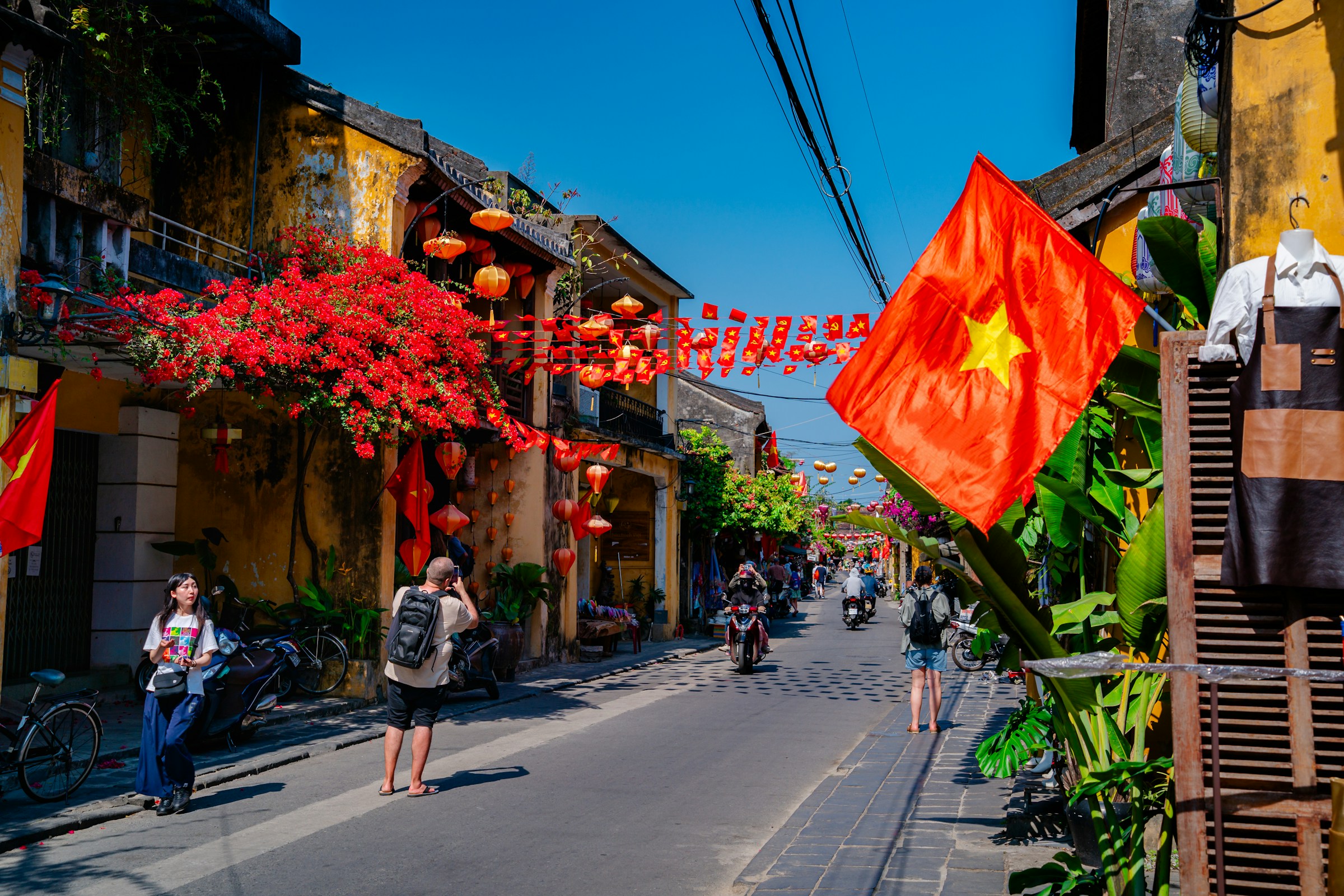
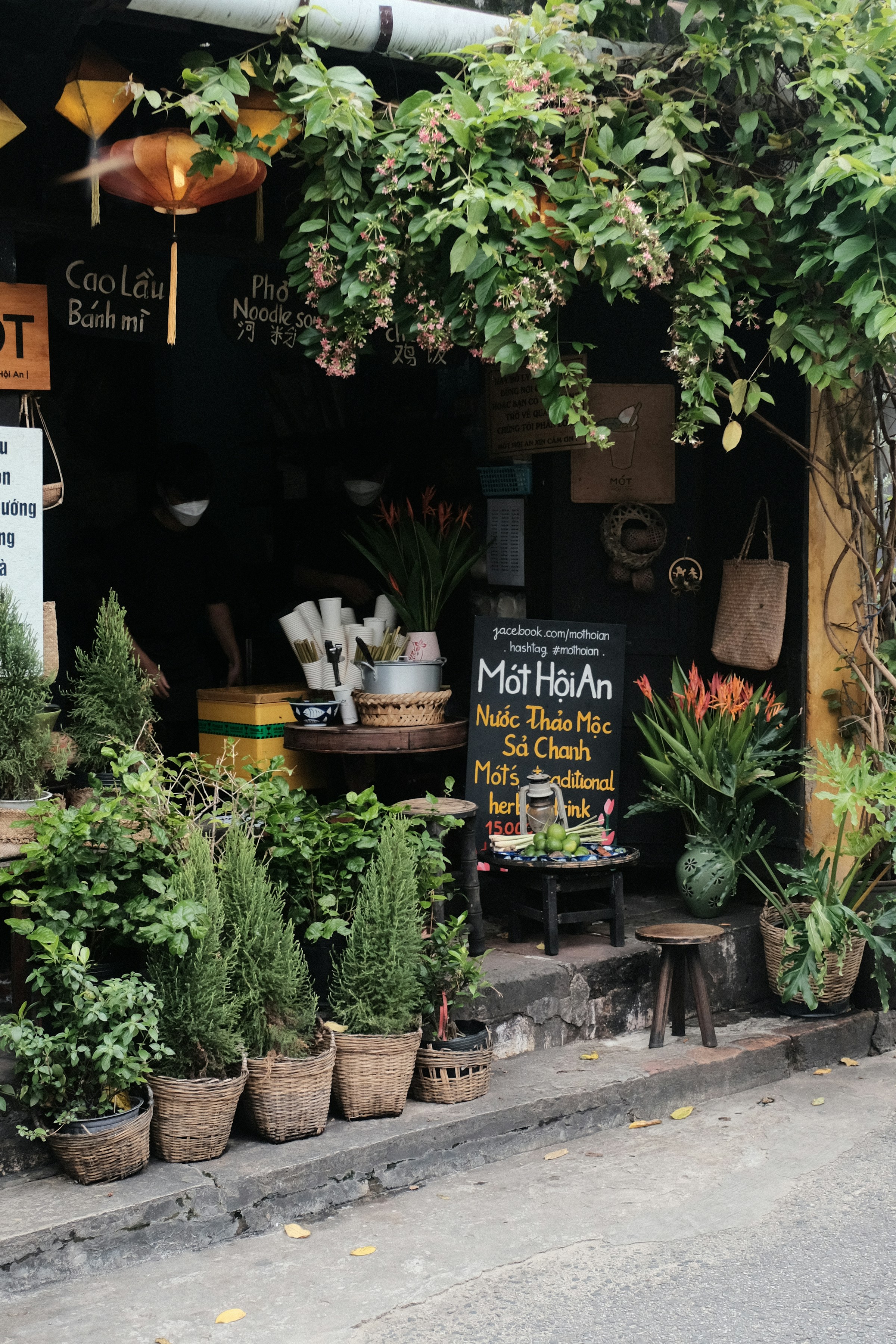
Street of tailoring shops in Hoi AnLocal Hoi An storefront
The network

Who makes your suit

We work with a deliberately small number of workshops. Small enough that we know the person cutting your jacket, and that a remark about a shoulder reaches them the same week.

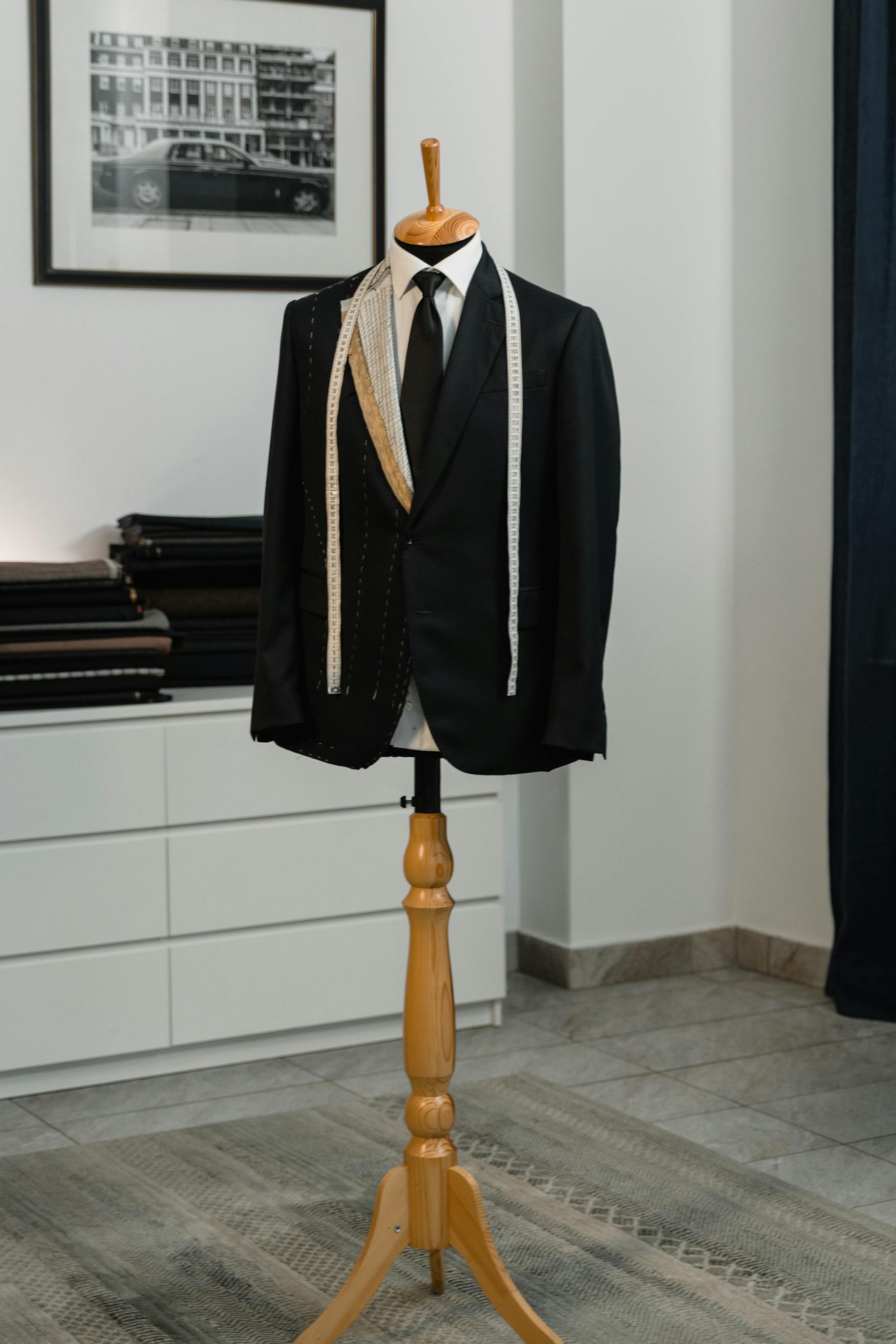
Basted jacket on a tailor's mannequin with a measuring tape
Hoi An · Quang NamActive

Hoi An Master Tailors


A family-run workshop in the historic tailoring quarter, cutting suits for over forty years. Two generations work side by side at the same bench — patterns are drafted by hand, and the finishing that matters is done by the person who cut the cloth.

Established
Over 40 years of continuous practice
Construction
Hand-drafted patterns, hand-finished details
Known for
Classic two- and three-piece suits
Bespoke jacket in progress in a modern workshop
Ho Chi Minh CityComing soon

Saigon Bespoke Workshop


A modern atelier joining traditional construction with contemporary equipment. We are finishing our trial orders with them before opening them to the configurator — no workshop takes a customer order until the sample suits satisfy us.

Established
Partnership in preparation
Construction
Traditional construction, modern equipment
Known for
Complex constructions and demanding fabrics

We are still writing the full profiles of our partner ateliers — portraits, workshop visits and the stories of the master tailors will be published here as they are ready.

How we choose

What We Ask Of An Atelier


Real construction

Canvassed fronts rather than fused, seams that can be let out, linings that can be opened. A suit that cannot be altered is not a bespoke suit.

Fit from measurements

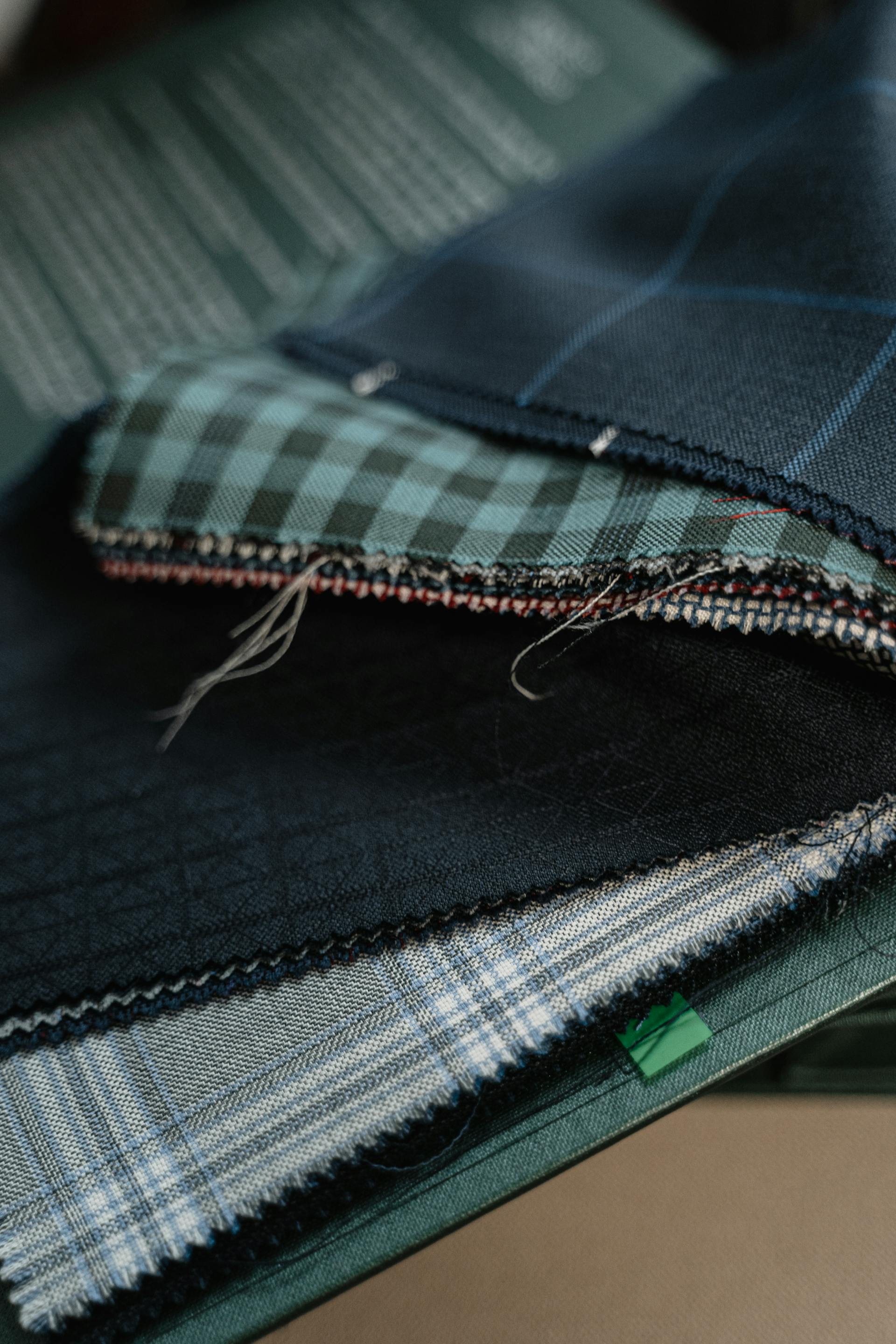
The workshop has to produce a garment from figures on a page, without the customer in the room. That is a different discipline from measuring someone at the counter.

Fair conditions

We pay per garment at a rate agreed with the workshop, not driven down by volume. Higher margins for them is the whole point of removing the middlemen.

Consistency

One beautiful suit proves talent; twenty identical ones prove a process. We order repeatedly from the same specification before a workshop goes live.

Working together

How a partnership starts

We do not source ateliers from a directory. Every partnership starts on site, and none opens to customers until the sample suits pass.

Tailor's hands working on a jacket
  1. 01

    Visit and trial

    We visit the workshop, look at work in progress, and order sample suits at our own expense against the specifications we would send a real order.

  2. 02

    Shared specification

    Measurements, construction details and finishing standards are written down in a single spec, translated locally, so nothing depends on a good day or a good memory.

  3. 03

    Continuous follow-up

    Our contact in Vietnam relays every order and every remark back to the bench. Feedback from a finished suit reaches the tailor who made it.

Your turn

Put their craft to work

Design your suit and it goes to a bench in Hoi An, not to a factory line.